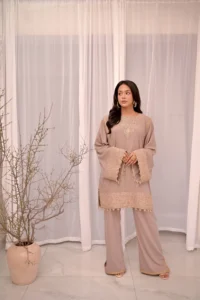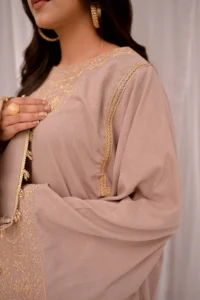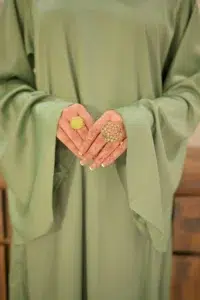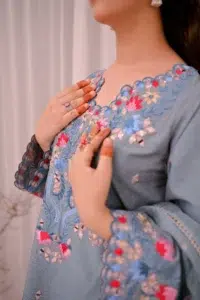
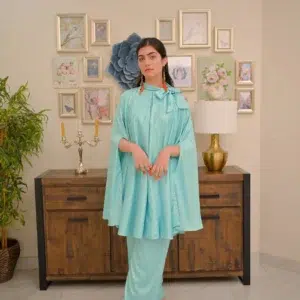
Pakistani formal wear has long been celebrated for its elegance, intricate craftsmanship, and cultural significance. From the vibrant streets of Lahore to the glamorous events in Dubai, the United States, and Canada, Pakistani formal attire has made a significant impact on fashion enthusiasts worldwide. The timeless charm of Pakistani formal wear lies in its rich history, diverse styles, and the meticulous artistry involved in its creation.
A Glimpse into History
The history of Pakistani formal wear is a tapestry woven with cultural influences from various regions, including Persia, Turkey, and Central Asia. The Mughal Empire, in particular, played a crucial role in shaping the opulent and ornate styles that are characteristic of Pakistani formal attire today. The Mughal emperors’ love for luxurious fabrics, intricate embroidery, and elaborate designs set the foundation for the elegance that defines Pakistani formal wear.
Diverse Styles and Fabrics
Pakistani formal wear encompasses a wide range of styles, each with its unique charm and appeal. Some of the most popular styles include:
- Shalwar Kameez: The quintessential Pakistani outfit, the shalwar kameez, is a versatile ensemble consisting of a long tunic (kameez) and loose-fitting trousers (shalwar). This outfit can be adorned with various embellishments, such as embroidery, sequins, and beadwork, making it suitable for both casual and formal occasions.
- Saree: The saree, a long piece of fabric draped elegantly around the body, is a symbol of grace and sophistication. Pakistani sarees often feature rich fabrics like silk and chiffon, embellished with intricate zari work, mirror work, and thread embroidery.
- Lehenga Choli: This traditional bridal outfit consists of a flared skirt (lehenga) paired with a fitted blouse (choli) and a dupatta (scarf). The lehenga choli is often heavily embellished with intricate embroidery, making it a popular choice for weddings and other formal events.
- Anarkali: Inspired by the Mughal era, the Anarkali is a long, flowing gown with a fitted bodice and flared skirt. It is named after the legendary courtesan Anarkali and is known for its regal and elegant appearance. Anarkali suits are often adorned with intricate embroidery, sequins, and beadwork.
Craftsmanship and Embellishments
The craftsmanship involved in creating Pakistani formal wear is truly exceptional. Artisans dedicate countless hours to hand-embroidering intricate patterns and designs onto the fabric. Some of the most popular embroidery techniques include:
- Zari: This form of embroidery involves weaving gold or silver threads into the fabric, creating a rich and luxurious look.
- Zardozi: Similar to zari, zardozi involves using metallic threads to create intricate patterns. It often includes embellishments like pearls, sequins, and beads for added opulence.
- Aari: This chain-stitch embroidery technique uses a hooked needle to create delicate and intricate designs. It is commonly used on formal wear to add a touch of elegance and sophistication.
- Mirror Work: Small mirrors are sewn onto the fabric to create a sparkling effect. This technique is often used on bridal and festive wear to add a touch of glamour.
Modern Trends in Pakistani Formal Wear
While traditional Pakistani formal wear remains popular, contemporary designers are continuously experimenting with new styles and trends. Some of the modern trends in Pakistani formal wear include:
- Fusion Wear: Combining traditional elements with modern silhouettes, fusion wear offers a fresh and innovative take on Pakistani formal attire. For instance, a traditional shalwar kameez may be paired with a chic, contemporary jacket, or a lehenga choli might feature a modern crop top instead of a traditional blouse.
- Pastel Colors: While vibrant colors like red, green, and gold are traditional favorites, pastel shades have gained popularity in recent years. Soft hues like blush pink, mint green, and powder blue offer a subtle and sophisticated alternative for formal occasions.
- Minimalist Embroidery: In contrast to the heavily embellished traditional outfits, minimalist embroidery focuses on subtle and delicate designs. This trend caters to those who prefer a more understated and elegant look.
- Sustainable Fashion: With a growing awareness of environmental issues, many designers are now focusing on sustainable fashion. This includes using eco-friendly fabrics, natural dyes, and ethical production practices.
Pakistani Formal Wear Across the Globe
The appeal of Pakistani formal wear extends far beyond the borders of Pakistan. In regions like Dubai, the USA, and Canada, Pakistani formal attire has gained a significant following. Fashion events, cultural festivals, and weddings in these regions often showcase the beauty and elegance of Pakistani formal wear.
In Dubai, the cosmopolitan hub of the Middle East, Pakistani formal wear is celebrated for its luxurious fabrics and intricate designs. The city’s vibrant fashion scene offers numerous boutiques and designers specializing in Pakistani attire, catering to both locals and expatriates.
In the United States and Canada, the South Asian diaspora has played a crucial role in popularizing Pakistani formal wear. From New York to Toronto, fashion shows, exhibitions, and pop-up shops frequently feature the latest trends in Pakistani formal wear. Additionally, online retailers and e-commerce platforms have made it easier for fashion enthusiasts to access and purchase Pakistani formal attire from the comfort of their homes.
The Significance of Pakistani Formal Wear in Weddings
Weddings hold a special place in Pakistani culture, and the attire worn during these celebrations is of utmost importance. Pakistani bridal wear, in particular, is renowned for its opulence and grandeur. Brides often opt for heavily embellished lehengas, sarees, or shalwar kameez, adorned with intricate embroidery, sequins, and beadwork. The choice of color is also significant, with red being a traditional favorite symbolizing love and prosperity.
Grooms, too, have a variety of options when it comes to formal wear. Sherwanis, traditional long coats worn over trousers, are a popular choice. These garments are often embellished with intricate embroidery and paired with a turban for a regal look. Some grooms also opt for a more contemporary look, combining traditional elements with modern styles.
The Role of Accessories
Accessories play a crucial role in completing the look of Pakistani formal wear. Some of the most popular accessories include:
- Jewelry: Traditional jewelry, such as jhumkas (dangling earrings), maang tikka (forehead ornament), and bangles, adds a touch of elegance and sophistication to any outfit. Gold and silver jewelry, often adorned with precious stones, are popular choices for formal occasions.
- Footwear: Traditional footwear, such as khussas (embroidered slippers) and juttis (traditional shoes), complements Pakistani formal wear beautifully. These shoes are often embellished with intricate embroidery, sequins, and beadwork.
- Dupatta: The dupatta, a long scarf, is an essential part of many Pakistani formal outfits. It can be draped in various styles and is often adorned with embroidery, sequins, and tassels.
FAQ about Pakistani Formal Wear
Q1: What occasions are Pakistani formal wear suitable for?
A1: Pakistani formal wear is suitable for a wide range of occasions, including weddings, cultural festivals, religious celebrations, and formal gatherings. The versatility and elegance of these outfits make them a popular choice for any special event.
Q2: How do I choose the right Pakistani formal wear for a wedding?
A2: When choosing Pakistani formal wear for a wedding, consider the formality of the event, your personal style, and the cultural significance of the attire. Bridal wear typically features heavy embellishments and rich fabrics, while guests may opt for more understated yet elegant outfits.
Q3: What are some popular fabrics used in Pakistani formal wear?
A3: Some of the most popular fabrics used in Pakistani formal wear include silk, chiffon, georgette, and velvet. These fabrics are chosen for their luxurious feel and ability to hold intricate embroidery and embellishments.
Q4: Can Pakistani formal wear be customized?
A4: Yes, many designers and boutiques offer customization services, allowing you to choose the fabric, color, and embellishments according to your preferences. Customization ensures that your outfit is unique and tailored to your taste.
Q5: How should I care for my Pakistani formal wear?
A5: Pakistani formal wear often requires delicate handling due to its intricate embroidery and embellishments. It is recommended to dry clean these outfits and store them in a cool, dry place, preferably wrapped in a muslin cloth to protect the fabric and embellishments.
Q6: Where can I purchase Pakistani formal wear?
A6: Pakistani formal wear can be purchased from various sources, including local boutiques, online retailers, and fashion exhibitions. In regions like Dubai, the USA, and Canada, there are numerous stores and designers specializing in Pakistani attire.
Conclusion
The timeless charm of Pakistani formal wear lies in its rich cultural heritage, intricate craftsmanship, and elegant designs. Whether it’s a traditional shalwar kameez, a regal saree, or a contemporary fusion outfit, Pakistani formal wear continues to captivate fashion enthusiasts across the globe. With its versatility, sophistication, and attention to detail, Pakistani formal wear is a testament to the country’s rich fashion legacy and its enduring appeal.